 info@optoga.com
 +46 589 490 950




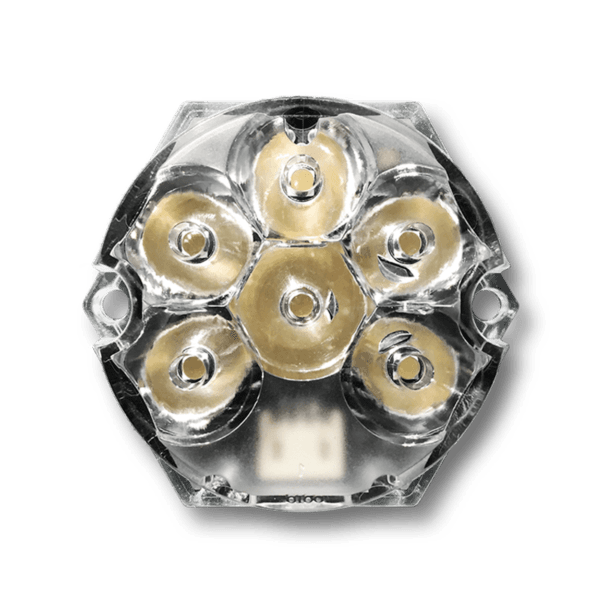


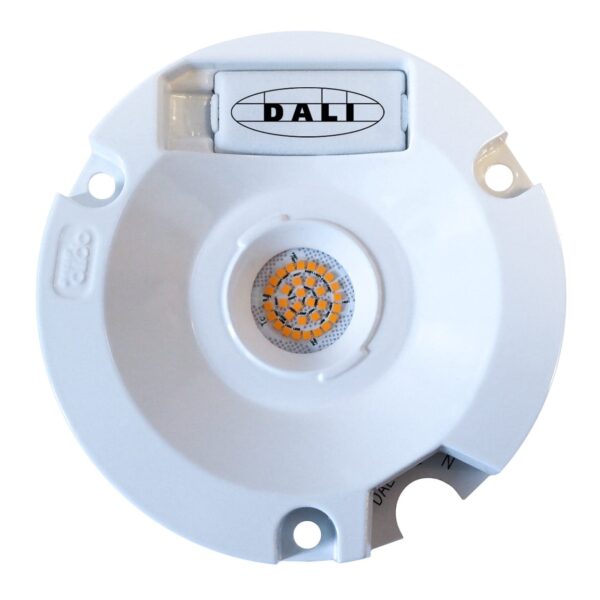



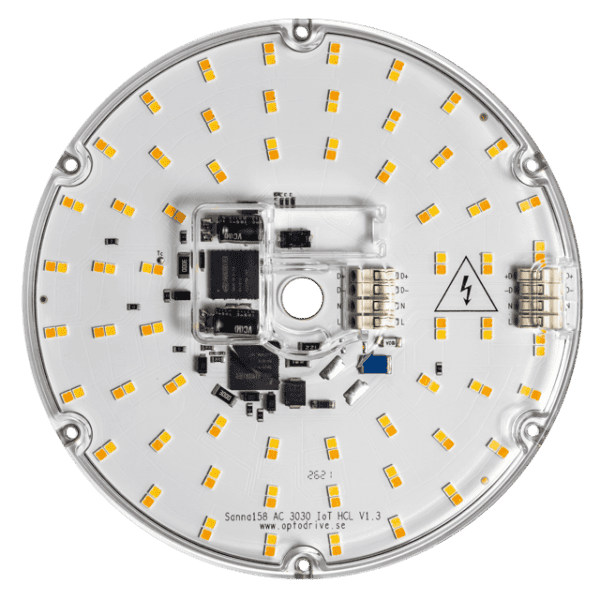
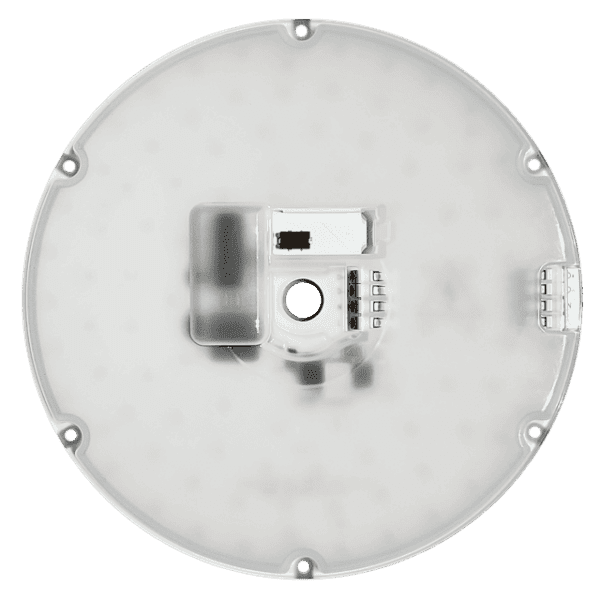
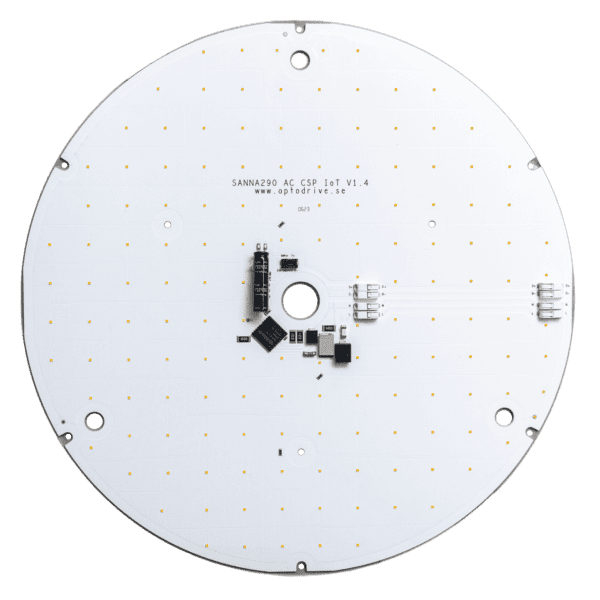


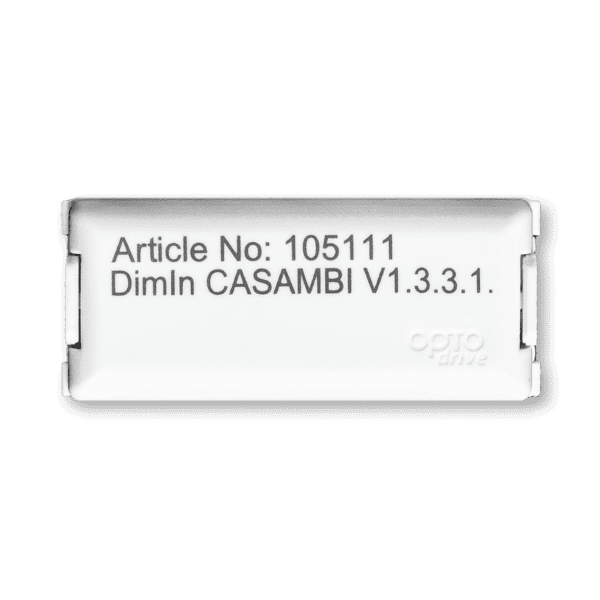


When building owners ask about BREEAM compliance, they’re rarely asking about dimming frequencies.
They’re asking: “Will this perform as documented when we need to prove it?”
That question matters more than ever. Because in daylight-optimised buildings governed by EN 17037, BREEAM, LEED, DGNB, WELL or EPBD, lighting is no longer judged at installation. It’s evaluated over time, when daylight changes, when sensors respond, when someone needs to verify energy performance three years later.
The destination: Confidence that holds over time
What stakeholders actually need is lighting that:
- Remains stable when dimmed to 1-10%, where daylight-responsive systems operate most
- Delivers linear, measurable energy behaviour that survives audits and ownership changes
- Supports simulation assumptions in real operation, not just in the specification
- Behaves predictably across BREEAM, Minergie, national codes, without project-specific workarounds
This isn’t about features. It’s about reducing the gap between what was promised and what can be defended later.
Why this matters in practice
In certified projects, lighting quality is increasingly defined by:
- How it interacts with daylight, smooth transitions without flicker or steps
- How it reports energy use, with data that corresponds to actual operation, not theoretical models
- How it ages, maintaining the same behaviour at year five as at commissioning
When lighting can’t deliver this, the consequences appear later: complaints about “restless” spaces, energy data that doesn’t align with targets, maintenance that becomes reactive rather than planned.
How we got there
Optoga’s approach separates control precision from light generation:
Digital control at 10 kHz drives an analog dimming curve at the LED module. No PWM pulses reach the LEDs. The result is continuous, stable light that behaves as intended, at 100%, at 2%, and everywhere in between.
This isn’t a technical curiosity. It’s a direct response to what EN 17037, BREEAM HEA, LEED EQ, and EPBD actually require: lighting that supports daylight harvesting, maintains visual comfort, and provides verifiable performance data over time.
The real question
The question isn’t “Does your LED module work with BREEAM?”
The question is: “When someone audits this building in 2030, will the lighting still perform as documented, and can you prove it?”
That’s the destination. And that’s what we’ve designed for.
What do you focus on when specifying lighting for certified buildings: compliance at handover, or confidence over time?
Download Whitepaper: Analogue Dimming i Daylight-optimized Buildings.pdf

 info@optoga.com
 +46 589 490 950