 info@optoga.com
 +46 589 490 950

















'/%3E%3C/svg%3E)


Three signals are worth watching for every lighting manufacturer. Different countries. Different measures. But they all point in the same direction: buildings increasingly need to know both what has been installed and how it actually performs.
The Netherlands: RVO now confirms that building automation and control systems are included in the method for determining a building’s energy performance. The national renovation passport also becomes available in September. Automation is becoming part of how building performance is assessed, not simply how equipment is controlled.
Germany: §56 GModG requires covered non-residential buildings with systems above 70 kW to have building automation with continuous monitoring, accessible data and efficiency analysis by the end of 2029. Appropriately zoned automatic lighting control with occupancy detection is also required. For new non-residential buildings, technical commissioning becomes part of the requirement. Read more about Germany.
Sweden: On 13 August, Boverket announced further development of its climate database and public API ahead of new EU reporting requirements from 2028. Lifecycle GWP is moving from policy into practical data infrastructure. LCA, EPD and supplier data are becoming a real product-data task, not a future ESG exercise.
– For me, the conclusion is clear.
Lighting must become both control-ready and data-ready.
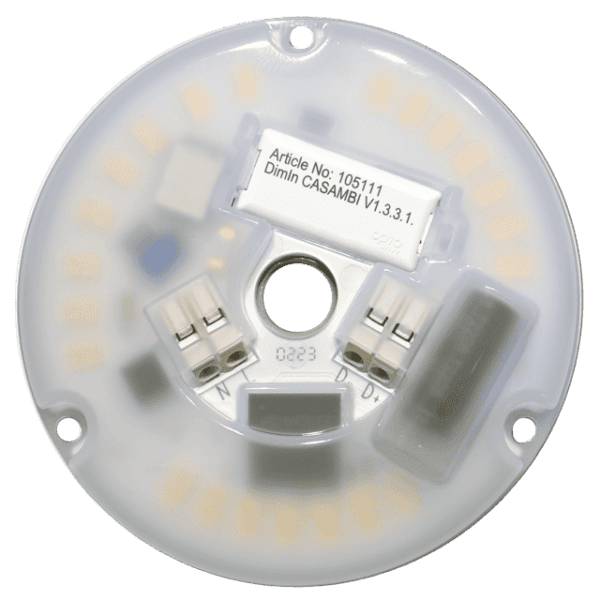
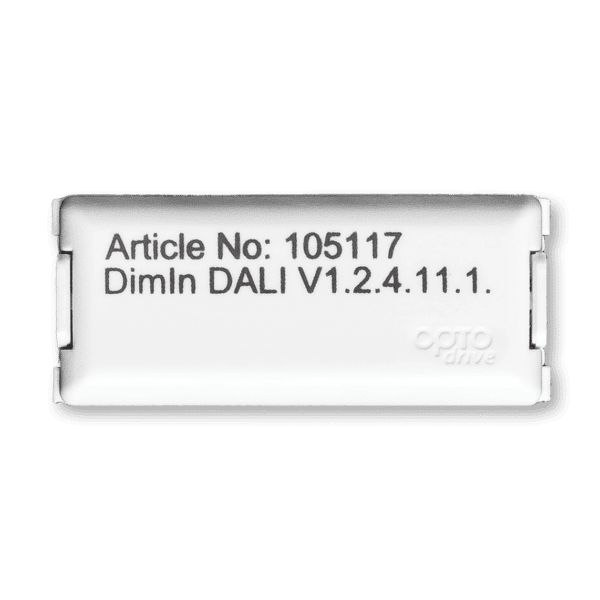
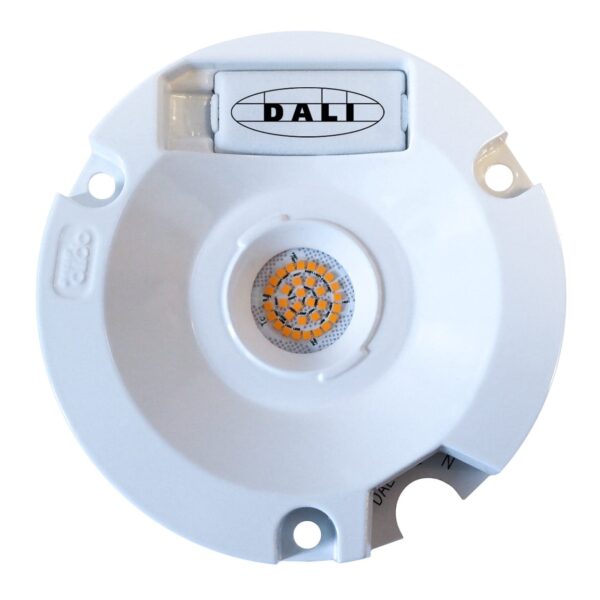
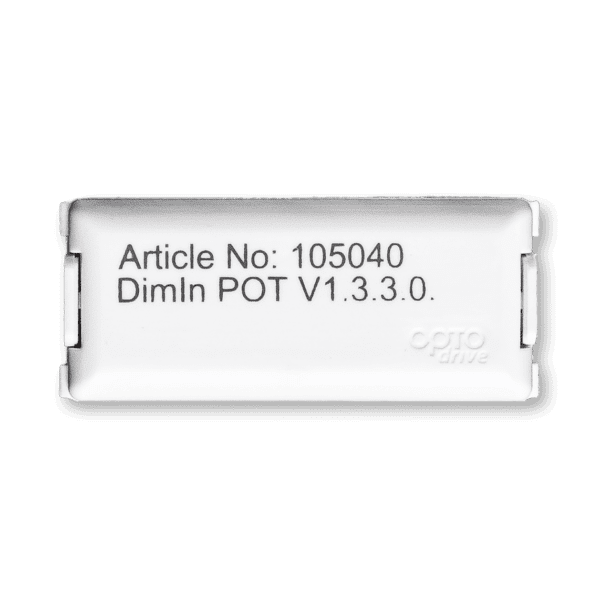
This is exactly why I find DimIn so interesting. It can provide control functions and operational data for integration into building systems, while structured product identity can connect the luminaire to lifecycle and environmental documentation. EPBD does not require DimIn. But the direction is becoming difficult to miss: buildings need to understand both the product and its performance.
Stefan Larsson, CEO

 info@optoga.com
 +46 589 490 950